Category: Uncategorized
-
Designing for Redemption: Rethinking Grading and Growth in the Classroom

There’s something profoundly human about allowing a student the chance to redeem themselves—but redemption can’t be accidental or symbolic. It must be deliberately built into how we teach, assess, and relate to students. Too often, our systems—especially grading—treat learning like a one-shot game. A missed deadline, a failed quiz, or a moment of bad judgment…
-
Built By Hand

There’s something to be said about working with your hands. The whole DIY thing—patching a leaky faucet, sanding down a splintered door, fixing the fence before it falls over—doesn’t get the credit it used to. These skills were once passed down like family recipes or last names. Now they’re slipping away, replaced by apps, services,…
-
Sunsets in the Valley
I’ve said it before, and I’ll keep saying it—there’s nothing quite like a sunset in the Imperial Valley. Clouds or clear skies, summer heat or winter chill—it doesn’t matter. The sky catches fire, the desert exhales, and for a few quiet moments, the world feels gentle again. These sunsets remind us that even in the…
-
More Than Words: How Quotes Spark Conversation and Learning
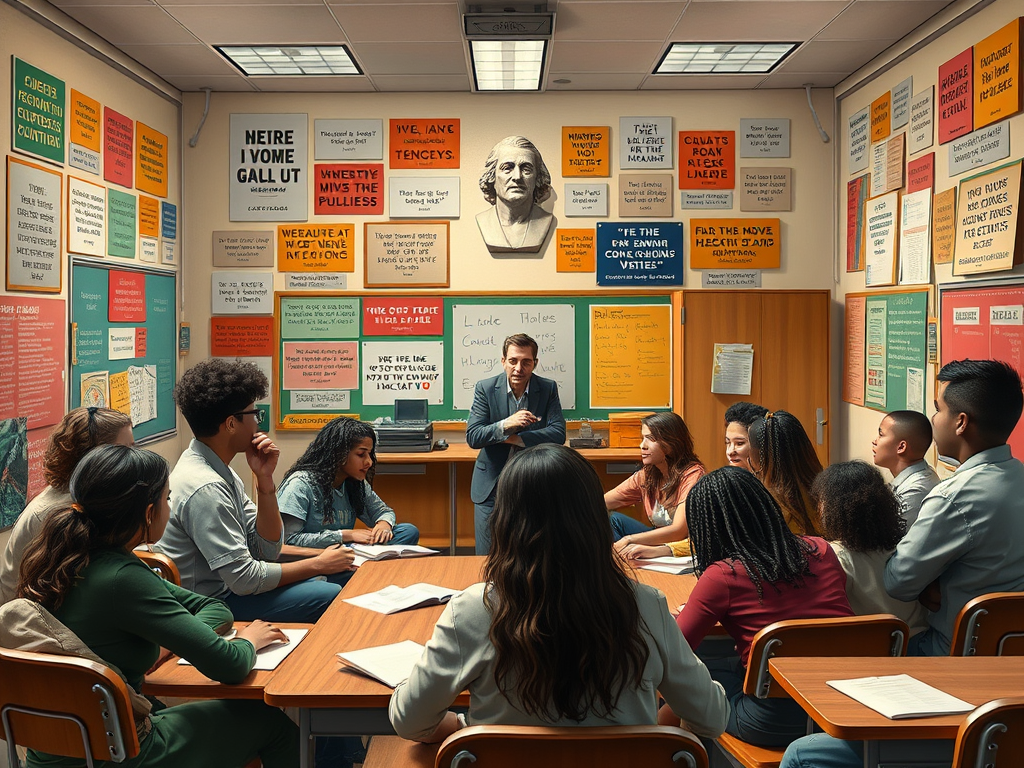
There’s something powerful about a well-timed quote. Maybe it’s a line from a movie that lingers long after the credits roll, or a phrase that echoes from history books. Quotes carry weight — and in the classroom, they carry possibility. Over the years, I’ve found that using quotes — from films, speeches, poems, and revolutionaries…
-
More Than Just a Writing Lesson…

As a teacher, I made sure my students wrote every single day. It didn’t matter what subject I taught, or how much they wrote. What mattered was the act itself — showing up to the page. Every class began the same way: a writing prompt projected on the board, and five uninterrupted minutes to write.…
-
Echoes of Our Heritage

Some of my favorite memories aren’t found on big stages or at fancy events. They’re in backyards — folding chairs circling around a grill, kids chasing each other barefoot on the grass, elders sitting in the shade telling stories that we’ve all heard a hundred times and still love to hear again. It’s in these…
-
Coloring Inside the Lines… and Knowing When to Go Beyond Them

“Color inside the lines.” It’s one of the earliest rules we give children when they’re learning how to draw. And in many ways, it reflects a larger idea in how we’ve traditionally approached learning: follow directions, stay within the structure, do what’s expected. There’s a place for that. Boundaries are important. They help students develop…
-
Start with the Right Question: A Reflection on School Discipline and Parental Support
It’s never easy getting called into school because of your child’s behavior. As a parent, it can feel frustrating, embarrassing, or even unfair. But in those moments, the most powerful and productive question a parent can ask is: “What can I do to help correct my child’s behavior or misconduct?” Unfortunately, that’s not always where…
-
Our Shared Path, Our Individual Journey
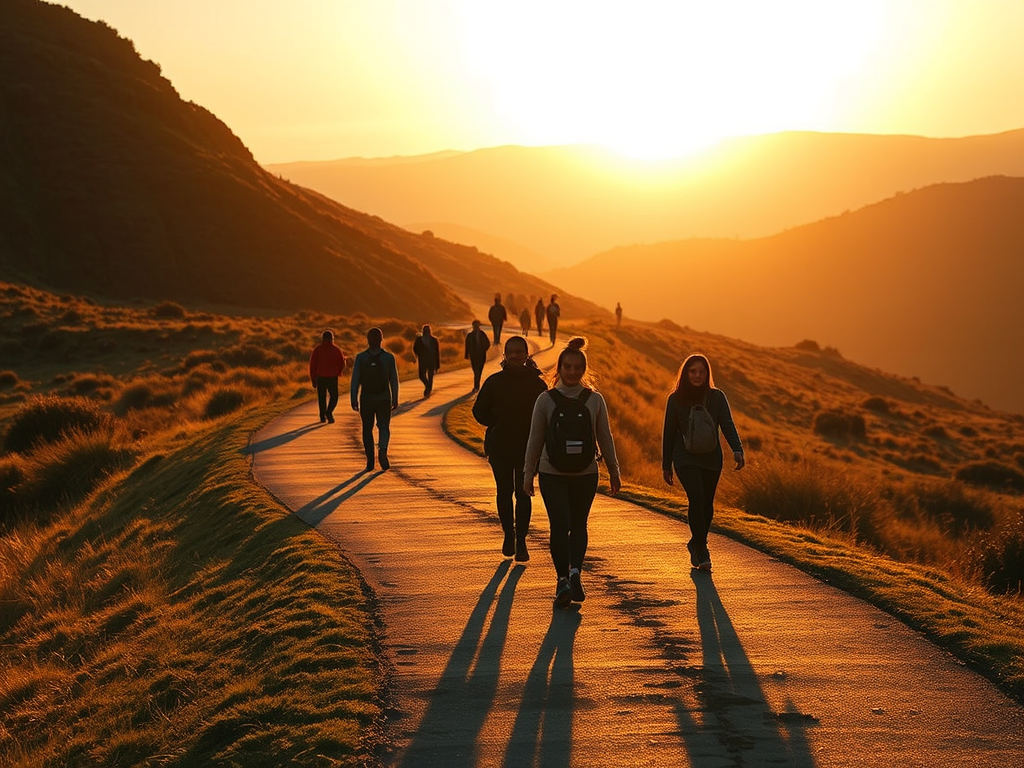
There’s a quiet truth we all live with — one we may not often voice, but feel deeply in our moments of reflection: While we may share a path with others, our journeys are a uniquely individual experience. Life often brings us into community with others. We attend school together, grow up in the same…
-
Why Inkblotz?

Yesterday, as I was reviewing notes and drafts for future blog posts, my daughter came up to me and asked, “Whatcha doin’, Dad?” I answered simply, “Reviewing posts for my blog.” She paused for a moment, then asked, “You have a blog? What’s it called?” “Inkblotz,” I replied. She wrinkled her brow. “Why Inkblotz? What…
-
Solitude: Why It Matters and How It Helps
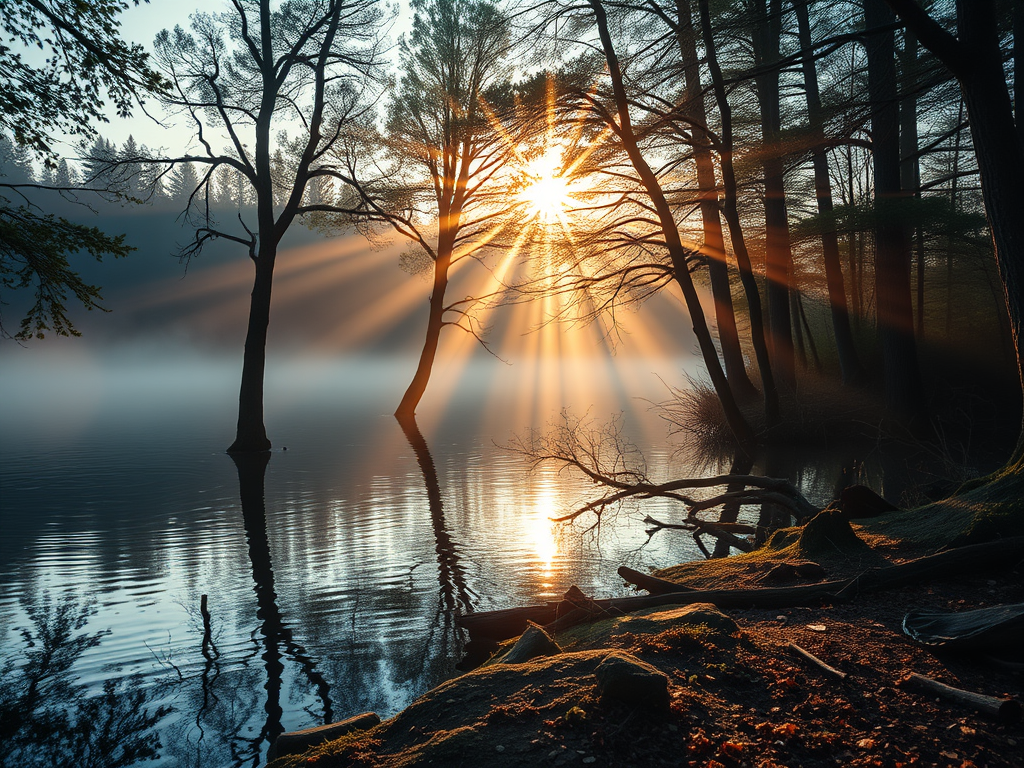
In a world that glorifies hustle, noise, and constant connection, solitude can seem countercultural—even suspect. But stepping away from the noise isn’t an escape; it’s an intentional return. Solitude is not loneliness. It’s not social withdrawal. It’s a mindful space where clarity, peace, and self-discovery live. So why choose solitude? And what does it actually…
-
Digital Exile: The Silent Epidemic of Disconnection

In a time when connection is just a tap away, an invisible epidemic is growing—especially among young people in underserved communities. It’s not caused by disease or disaster, but by screens. More specifically, by what experts and educators are now calling digital exile—a quiet withdrawal from real-world connection in favor of digital simulation. The irony…
-
The Line Most Beautiful
As an art student many years ago, I became captivated by portraiture—not just the structure of the face, but the subtleties that make each human being unique. Over years of observation, sketching, and painting, I came to see that every person carries a distinct line—a natural flow that defines them beyond features or symmetry. It’s…
-
The Crossroads

There comes a time in every person’s life when they stand at a crossroads — a moment that demands not just any decision, but the decision. One that will alter the course of their life forever. There will be an easy way out — the path of least resistance — tempting in its comfort, but…