Tag: teaching
-
Too Deep for a Tuesday
I am not a philosophical person—though I do seem to spend a fair amount of time thinking on a philosophical level, which feels like a technicality philosophers would absolutely argue about. To me, philosophy is food for reflection. It’s universal. Every culture has its own way of wrestling with the same big questions about choice,…
-
A Day In The Life
A Casual, Day-Long Stroll in My Shoes The day starts like any other day.Which is to say: against my will. Weekends are exempt from this story. Those are mythical creatures. Monday through Friday, though? Any one of them will do. If God is feeling playful—and He often is—it will somehow be all five at once.…
-
The Art of School Discipline
(Or: Why Your Kid Probably Isn’t a Villain, But Also Isn’t Perfect Either) There’s a part of me that’s always been a storyteller. I’ve spent years watching the chaos of childhood—my own and others’—and turning it into little stories that make sense of the messy, funny, absurd moments of growing up. I like noticing the…
-
The Noise of Learning
I used to think learning was supposed to be quiet.Neat. Orderly. Predictable. But in my world, it never sounded that way. It sounded like pencil scratches in the margins of a notebook, screws rattling on a garage floor, the click of a camera shutter, the uneven notes of a song I hadn’t yet learned how…
-
Several Hundred Words Later
We’ve all been there. Not as heroes, not as villains—just as silent witnesses to someone else’s emotional eruption. That strange moment when you realize you’re no longer part of a conversation, but the audience to a performance you never bought tickets for. You don’t interrupt.You don’t argue. You simply stand there, nodding politely, mentally taking…
-
The Algorithm on Main Street

In Calexico, stories used to travel slowly. They moved on bicycles and sneakers, through chain-link fences and across dusty backyards. They passed through kitchens where tortillas puffed on comales and radios argued with each other in English and Spanish. By the time a story reached Main Street, it had already changed shape—edited by laughter, softened…
-
Standards, Grades, and Other Things We Pretend We All Agree On
I sat through an administrator’s “clinic” the other day—one of those gatherings where the coffee is strong, the chairs are unforgiving, and the words learning standards are spoken with near-religious reverence. The agenda was precise. The slides were aligned. Everything, apparently, was measurable. My mind, however, was not. This is usually the part where one…
-
Coffee First. Then People.
Coffee first. Then people. This isn’t a lifestyle choice. It’s a safety protocol. Somewhere between waking up, getting ready for work, unlocking the classroom door, and logging into email, caffeine must be introduced into the system. Without it, words come out wrong, patience becomes theoretical, and facial expressions betray thoughts better left unspoken. Teachers aren’t…
-
I’m in No Hurry
The day has come.We all knew it was coming.Nothing we could do to stop it. It was… inevitable. No amount of coffee was going to make a difference. Returning to work after a long break is a lot like waking up in a foreign country where you technically speak the language, but everything feels aggressive…
-
Shelved Dreams
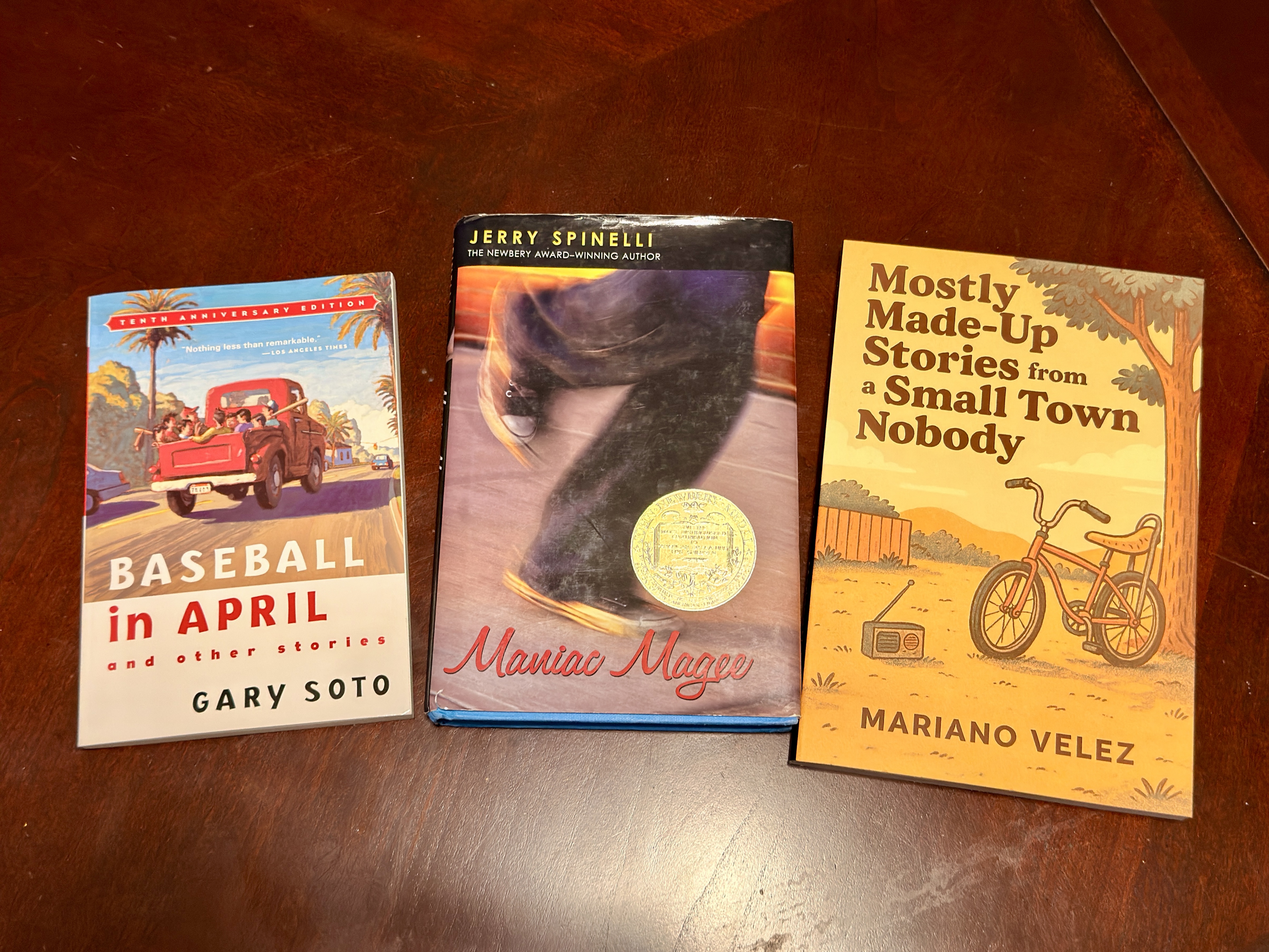
Writing a book was a long-held dream of mine—one I carried quietly for years. Not the kind of dream I announced out loud or chased with urgency, but one that lived in the background, tucked away between lesson plans, staff meetings, and stacks of papers waiting to be graded. It was always there, patient and…
-
The Hierarchy of Everyday Life (According to an Overcaffeinated Educator)
Or: A Day in the Life of Someone Who Wakes Up Already Tired Let’s be honest: adulthood is basically a group project where nobody knows what’s going on, and the teacher—ironically—is you. And before any of that noble, inspiring educator stuff starts, there’s coffee. Always coffee. The alarm rings. You open one eye. The world…
-
The Curiosity of Curiosity
Curiosity is one of the first languages children learn. Long before they master full sentences, they’re pointing, tugging, and asking questions in a hundred different ways—“What’s that?” “Why?” “How come?” A child doesn’t just accept the world as it is; they poke at it, twist it, and try to make sense of it through their…
-
A Writer’s Manifesto
(Or Am I Just Rambling?) I remember, when I was still a teacher, how I answered the question: What makes a good writer? I always said, “Just write every day. Practice it.” Now, with many years of surviving life on this rock, I see how naïve that answer was. And honestly, a bit lazy. Writing…
-
Why We’re Holding the Line on Phones and Dress Code
As both a parent and a school administrator, I often stand at the intersection of two worlds. At home, I want my own kids to laugh with their friends, make mistakes, learn from them, and discover who they’re meant to be. I remember what it felt like to be young, testing limits, eager for freedom.…